
Buy Baby Monkey: Complete Guide for Safe and Responsible Ownership
If you are planning to buy baby monkey it is important to understand the responsibilities involved. Owning a baby monkey is not the same as keeping a typical pet. These animals require special care, proper nutrition, and a legal environment. Therefore, before you decide to buy baby monkey, you should gather the right information.
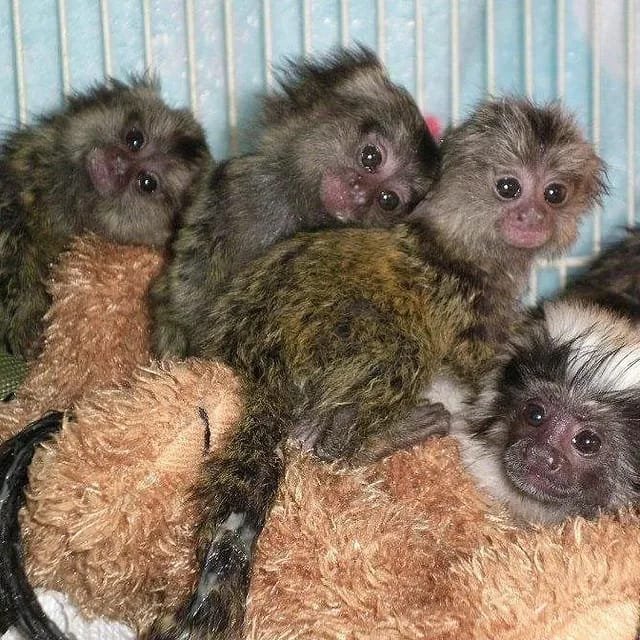
In this guide, you will learn everything you need to know before making a purchase.
Why People Want to Buy Baby Monkey
Many people are attracted to monkeys because of their intelligence and playful nature. A baby monkey can appear cute and friendly. In addition, monkeys can form strong bonds with their owners.
However, it is important to note that monkeys are wild animals. Even if you buy baby monkey from a breeder, their natural instincts remain. For this reason, proper training and care are essential.
Things to Consider Before You Buy Baby Monkey
Before you proceed to buy baby monkey, consider the following factors:
1. Legal Requirements
First, check your local laws. In many countries, owning a monkey is restricted or requires permits. If you ignore this step, you may face legal issues later.
2. Cost of Ownership
The cost does not end when you buy baby monkey. You will also spend money on:
- Specialized food
- Veterinary care
- Enclosure setup
- Toys and enrichment
Overall, the lifetime cost can be very high.
3. Time Commitment
Monkeys need constant attention. Unlike cats or dogs, they require daily interaction. If you plan to a monkey make sure you have enough time.
Where to Buy Baby Monkey
When you decide to buy a monkey, choosing the right source is very important.
Licensed Breeders
Always look for licensed breeders. They follow ethical practices and provide healthy animals.
Exotic Animal Facilities
Some certified facilities sell monkeys legally. These places often provide documentation and health records.
Avoid Illegal Sellers
Do not buy a monkey from unverified online sellers. Illegal trading harms animals and may lead to serious consequences.
How to Choose a Healthy Baby Monkey
If you want to buy a monkey, you must ensure it is healthy. Look for these signs:
- Bright and clear eyes
- Active behavior
- Clean fur
- No signs of injury or illness
Also, ask for medical records before you buy baby monkey.
Caring for a Baby Monkey
After you buy a monkey, proper care is essential for its well-being.
1. Diet and Nutrition
Monkeys need a balanced diet. This includes fruits, vegetables, and protein sources. Avoid feeding processed food.
2. Living Environment
Create a safe and spacious enclosure. Monkeys love to climb and explore. Therefore, their environment should include branches and toys.
3. Social Interaction
Monkeys are social animals. If you want a monkey, you must spend time with it daily. Otherwise, it may develop behavioral problems.
Challenges of Owning a Baby Monkey
Even though many people want to a monkey, there are challenges you should not ignore.
- Monkeys can become aggressive as they grow
- They may require specialized veterinary care
- Training can be difficult
- They can live for many years
Because of these factors, owning a monkey is a long-term commitment.
Ethical Considerations
Before you a monkey, think about the ethical side. Monkeys belong in the wild or in proper sanctuaries. Buying from unethical sources can support illegal wildlife trade.
Therefore, always choose responsible and legal options when you decide to buy baby monkey.
Is It Right for You to Buy Baby Monkey?
Not everyone is suited to own a monkey. Ask yourself:
- Do I have enough time?
- Can I afford long-term care?
- Am I prepared for challenges?
If the answer is no, then it may be better to consider other pets.
Final Thoughts on Buying a Baby Monkey
To a monkey is a serious decision that requires planning and responsibility. While these animals are fascinating and intelligent, they are not easy pets. You must ensure legal compliance, proper care, and ethical sourcing.
If you still want to a monkey, take your time to research and prepare. A well-informed decision will benefit both you and the animal.